Before you source: qualify the system (not just the machine list)
Machine parts sourcing succeeds when CTQs, revision control, inspection evidence, and packaging rules are defined early. Use the buyer guide and RFQ checklist to avoid rework loops.

Supplier landing • CNC machining in Vietnam
Machine parts manufactured in Vietnam—machined components and assemblies with controlled CTQs, inspection evidence, and export‑ready delivery.
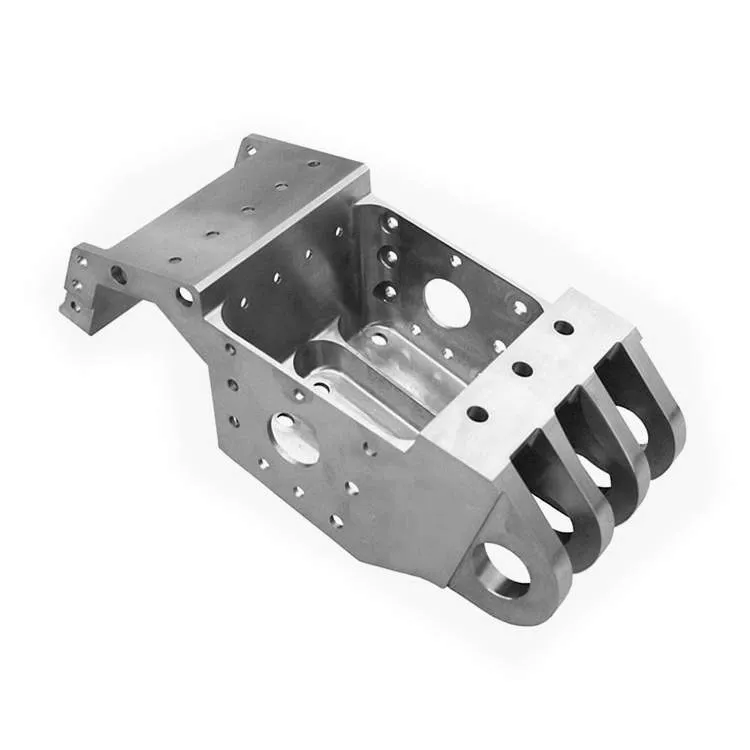
Machine parts sourcing succeeds when CTQs, revision control, inspection evidence, and packaging rules are defined early. Use the buyer guide and RFQ checklist to avoid rework loops.
U.S. manufacturers source machine parts in Vietnam for three common reasons: diversify the supply chain, add cost-competitive capacity, and maintain flexibility for both prototypes and repeat production. The right supplier can reduce total landed cost—not only piece price—by preventing rework, delays, and receiving issues.
Machine parts are often used inside equipment where assembly fit, alignment, and surface condition impact yield. A strong supplier should align machining and inspection to functional intent—not only “hit dimensions.”
| Requirement | What to verify | Buyer benefit |
|---|---|---|
| Functional datums | Supplier asks about datums, fits, and CTQs during RFQ | Better positional control and assembly performance |
| Surface control | Finish requirements clarified; handling/packaging prevents damage | Less receiving rejection and less rework |
| Repeatability | Revision control and stable routing for repeat orders | Consistent reorders and fewer surprises |
| Evidence | Inspection reports + CoC/MTR as required | Faster approvals and smooth receiving |
| Export readiness | Labeling, kitting, and documentation aligned to PO | Less internal coordination for your team |
If your assembly relies on a small number of critical features, identify those features as CTQs. CTQ focus keeps inspection efficient and prevents “over‑inspection cost” without increasing risk.
SEMIX selects the process route based on geometry, CTQs, volume, and finish requirements. These are the most common routes for machine parts in Vietnam programs.
Best for prismatic parts—plates, housings, patterns, brackets, and components with multi-face features.
Practical buyer guide to reduce quoting cycles, improve manufacturability, and align quality expectations before production.
Best for shafts, pins, sleeves, bushings, and rotational parts. Live tooling enables hybrid features in one setup.
Used when setup reduction protects positional accuracy or when tool access and angled features are required.
Practical buyer guide to reduce quoting cycles, improve manufacturability, and align quality expectations before production.
Used when near-net shapes reduce raw material cost or when the design requires a cast form with machined interfaces.
Machine parts often need a balance of machinability, corrosion resistance, and finish compatibility. Provide full material and finish specs during RFQ to avoid conservative assumptions that inflate cost.
Learn more: Materials for CNC machining and Finishing, kitting & packaging.
For repeat orders, the system matters more than the first successful run. SEMIX emphasizes controlled inputs, stable routing, and evidence-based quality so your next order behaves like your first order—only faster.
Confirm revision, CTQs, finish, documentation, packaging, and labeling before release.
Datum strategy + fixture planning to protect functional relationships and reduce setup variation.
CTQ reporting or full layouts, organized for your receiving expectations.
If you are unsure how to route your part, start with the guides and service pages below. They are designed to help U.S. teams qualify Vietnam suppliers and prepare quote-ready RFQs.
Pick the best process route for your part and understand what data matters for quoting.
Related resource for Start with the service page: qualification, quoting, and production-ready execution.
Use long-form buyer guides to reduce sourcing risk and avoid common design and documentation issues.
Practical buyer guide to reduce quoting cycles, improve manufacturability, and align quality expectations before production.
When ready, send CAD/drawings and requirements using our RFQ checklist. NDA-first supported.
Machine parts often look simple, but performance issues usually come from a small set of features: a bore that controls alignment, a sealing surface, a dowel hole pattern, or a thread that carries load. For U.S. buyers sourcing machine parts in Vietnam, the fastest way to protect performance is to separate features into two groups:
When CTQs are clearly marked on the drawing, suppliers can plan datums, setups, and inspection evidence efficiently. This reduces risk without inflating inspection cost. If everything is toleranced “as tight as possible,” the part becomes slower and more expensive without functional gain.
Learn more: Precision machining in Vietnam (tolerances & inspection) and DFM checklist for CNC parts.
Common questions about custom machine parts, repeat orders, and documentation
We produce custom machined machine parts such as plates, brackets, housings, shafts, bushings, fixtures, tooling components, and assemblies requiring kitting.
Yes. We support repeatable production with revision control and documentation to help maintain consistency across reorders.
Yes. We machine castings and forgings, including critical interfaces, bores, patterns, and sealing surfaces.
We use datum-based process planning, in-process checks, and appropriate metrology to verify CTQs and deliver inspection evidence as required.
Often yes—through DFM feedback, setup reduction, stable routing, and avoiding rework/receiving delays via clear documentation.
Send your drawing package and requirements. We’ll respond with a clear quote, manufacturability notes, and documentation options aligned to your receiving workflow.