Start with the buyer guide (then run the workflow)
If you’re new to sourcing in Vietnam, start with the CNC machining in Vietnam guide for qualification, RFQ data, and red flags—then use this outsourcing workflow to execute.

Playbook • CNC machining in Vietnam
A sourcing workflow for outsourcing CNC machining to Vietnam—RFQ, evidence, first article, repeat lots, and export delivery for U.S. and Europe.
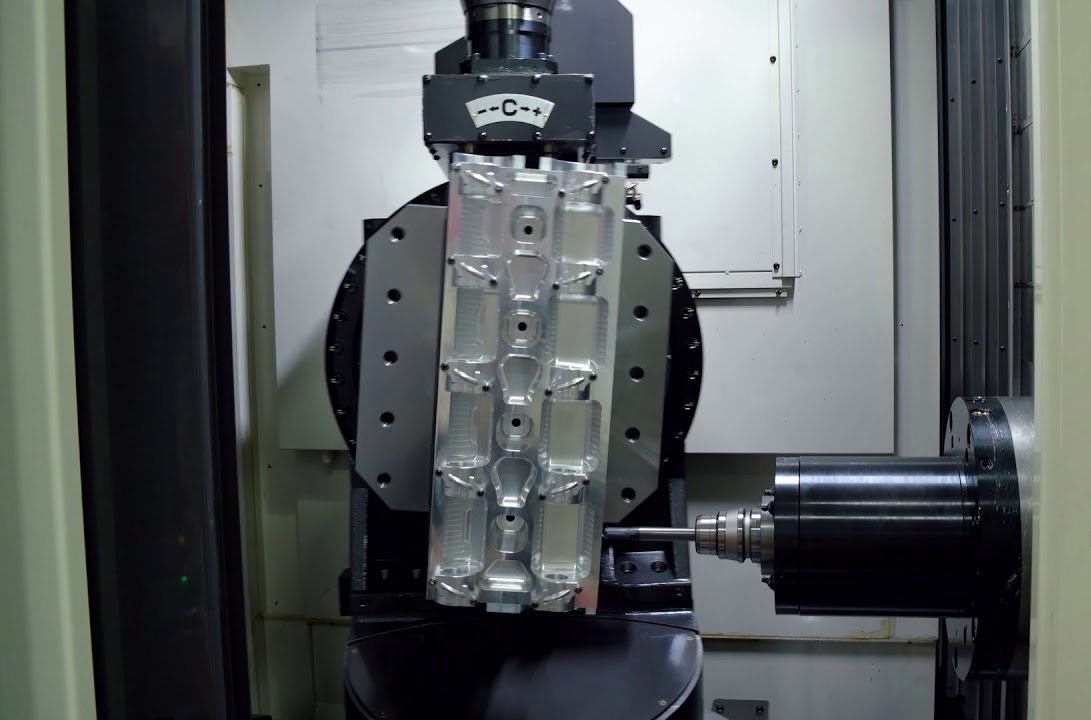
If you’re new to sourcing in Vietnam, start with the CNC machining in Vietnam guide for qualification, RFQ data, and red flags—then use this outsourcing workflow to execute.
Teams outsource CNC machining when they need additional capacity, competitive total landed cost, or faster iteration cycles—without sacrificing quality evidence. Many procurement teams describe this shift as a China+1 (China plus one) or supply-chain de-risking strategy: adding Vietnam as a second source to improve supply chain resilience while keeping programs export-ready for U.S. and Europe receiving workflows.
Vietnam is increasingly selected as a manufacturing base because it can combine skilled labor, growing industrial ecosystems, and export-oriented operations. The differentiator is not “machines” but systems: contract review, revision control, inspection planning, documentation discipline, and communication.
The biggest outsourcing failures are rarely machining mistakes. They are process failures: unclear CTQs, missing finish boundaries, uncontrolled revisions, and undocumented inspection methods. SEMIX mitigates those risks with a few non-negotiable controls.
Protect sensitive programs before sharing full data sets. Start with NDA, then expand scope.
Confirm revision level, assumptions, CTQs, finishing scope, and documentation deliverables before cutting metal.
Map CTQs to measurement methods (CMM/gauges), define reporting scope, and align with receiving needs.
CoC, MTR (when required), inspection reports, and traceability—packaged for receiving efficiency and PO flow-down (when required).
Protect critical surfaces, label by revision/PO line, and kit subcomponents when needed.
Clear owner per program and an escalation path when requirements change or schedules compress.
Lead time is not just “machine time.” For outsourcing, the predictable lead time comes from managing these drivers:
| Driver | What can go wrong | How to control it |
|---|---|---|
| Engineering clarity | Missing CTQs, ambiguous edge breaks, incomplete finish specs | Written assumptions + DFM feedback + confirmed inspection scope |
| Routing stability | Too many setups, rework due to distortion or datum drift | Use 4/5-axis where it reduces setups and improves repeatability |
| Finishing | Long external lead times, masking mistakes, cosmetic issues | Define finish boundaries and acceptance criteria early |
| Inspection & reporting | Parts ready but evidence missing → receiving delays | CTQ inspection plan + reporting template |
| Shipping | Damage, labeling issues, customs delays | Protective packaging + labeling + export-ready documents |
Time zones do not have to slow you down. The secret is using a structure that makes decisions auditable:
For U.S. teams, we recommend having one internal owner (engineering or supplier quality) who approves assumptions and CTQs before release.
If you prefer guidance tailored to program patterns by state, use our U.S. buyer pages:
No. Vietnam is an offshore location for U.S. buyers. Nearshore typically refers to regions closer in geography/time zones (e.g., Mexico). This page focuses on making offshore sourcing predictable and low-risk.
Yes. Many U.S. teams start with prototypes to validate communication, inspection evidence, and lead time performance before scaling.
We can support NDA-first workflows and keep revision control strict throughout quoting and production.
We treat revisions as controlled events. We will confirm the change, identify impact, and align on the new revision before continuing.
Depending on your requirement: CoC, MTR (when required), CTQ inspection reports, and first-article support.