
Executive takeaway
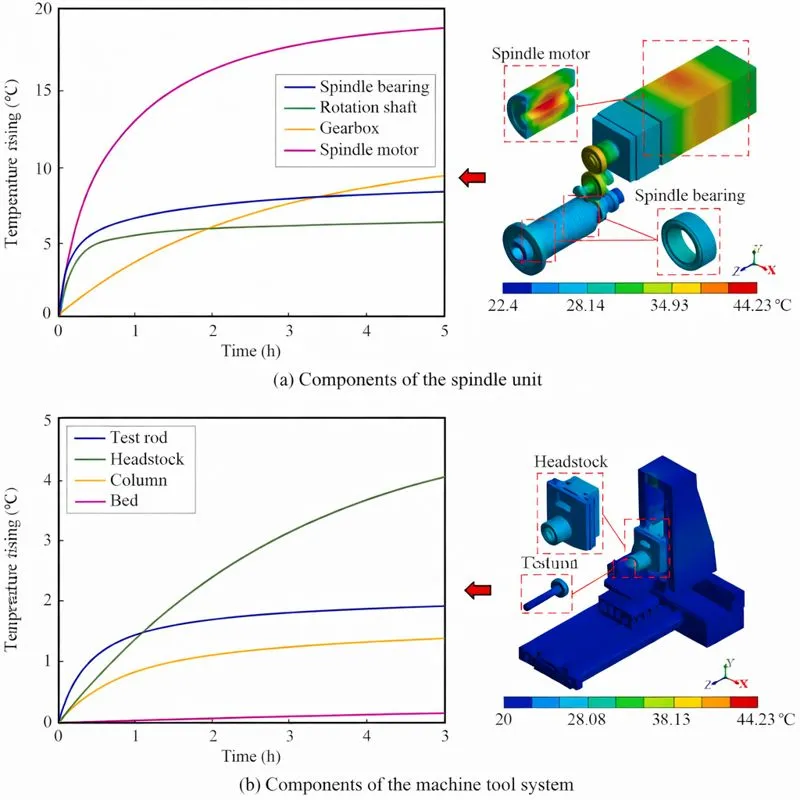
Thermal error is not noise. It is a predictable response to spindle heat growth, axis drive heating, ambient variation, coolant temperature coupling, and stop/start behavior.
A high-quality CNC supplier does three things:
- Defines a thermal state contract for each CTQ program.
- Builds a drift curve that quantifies how size changes over time after start/restart.
- Aligns inspection timing and finishing gates to the stabilized thermal regime.
ISO 230‑3 in practical terms
ISO 230‑3 focuses on thermal effects on machine tools and provides methods to evaluate thermal distortion sources.
For production, the takeaway is:
- The same program can produce different results if the machine is in a different thermal state.
- Tight tolerance success requires repeatable warm-up and inspection timing.
Why thermal drift creates “inconsistent inspection” disputes
Two common conflict patterns:
- Supplier measures in-fixture immediately after machining → part is warm → dimensions appear different.
- Buyer measures later at 20°C stabilized state → part has cooled → dimensions shift.
If you do not control temperature state and timing, you will argue about who is “right” instead of preventing drift.
Build a drift curve the shop can actually use
Pick one CTQ-relevant feature (or artifact) and measure at fixed time intervals after start:
- Start cold (after overnight)
- Measure at 0, 15, 30, 60, 120 minutes
- Repeat for a restart event (machine stop > X minutes)
Plot the drift: Δdimension vs time Then define:
- When the slope becomes small enough to release CTQ parts
- How long warm-up must run before finishing operations
Warm-up protocol design (minimum viable, maximum impact)
A good warm-up routine:
- Moves axes through the travel envelope used by CTQ work (not just tiny moves)
- Stabilizes spindle at typical operating RPM bands
- Uses the same coolant/chiller setpoints used in production
Avoid “fake warm-up”:
- idling the spindle without load
- warming in a different corner of travel than the job uses
Restart rules (the biggest real-world gap)
A supplier-grade rule set:
- If machine stops > X minutes, do not finish CTQ surfaces until a mini warm-up is completed.
- If ambient changes exceed a defined band, trigger a verification check on a sentinel feature.
- Lock measurement conditions: measure at a consistent time after machining.
Control plan (ready to put into the traveler)
- Warm-up routine ID + minimum runtime
- Thermal state required before final finishing
- Restart threshold and required re-warm routine
- Measurement timing rule (e.g., “measure after 30 minutes stabilization at 20°C” or “measure consistently within X minutes and apply decision rules”)
Buyer evidence pack
- Drift curves for representative machines (cold start + restart)
- Warm-up protocol document and training evidence
- A statement of measurement timing (and decision rules for borderline values if applicable)
FAQ for buyers
- Why do parts pass in the morning and fail later?
- What warm-up protocol do you use for tight tolerances?
- How do you prevent measurement timing from creating false disputes?
- How do you handle restarts in long-cycle machining?